TotallyJewishTravel
Login
|
Signup
עבר
TotallyJewishTravel
עבר
  • Passover Programs
    • Passover Programs 2027
    • Passover Programs in Argentina
    • Passover Programs in Azerbaijan
    • Passover Programs Bahamas
    • Passover Programs in Brazil
    • Passover Programs in Canada
    • Passover Programs Caribbean
    • Passover Programs in Colombia
    • Passover Programs in Costa Rica
    • Passover Programs Dominican Republic
    • Passover Programs in Europe
      • Passover Programs in Albania
      • Passover Programs in Croatia
      • Passover Programs in Cyprus
      • Passover Programs in France
      • Passover Programs in Georgia
      • Passover Programs in Greece
      • Passover Programs in Italy
      • Passover Programs in Malta
      • Passover Programs in Montenegro
      • Passover Programs in Portugal
      • Passover Programs in Spain
      • Passover Programs in Switzerland
      • Passover Programs in the United Kingdom
    • Passover Programs in Guatemala
    • Passover Programs in Israel
    • Passover Programs in Kenya
    • Passover Programs in Mexico
    • Passover Programs in Morocco
    • Passover Programs in Panama
    • Passover Programs in South Africa
    • Passover Programs in Thailand
    • Passover in Dubai & The UAE
    • Passover Programs in the USA
      • Passover Programs in Arizona
      • Passover Programs in California
      • Passover Programs in Colorado
      • Passover Programs in Connecticut
      • Passover Programs in Florida
      • Passover Programs in Georgia
      • Passover Programs in Maryland
      • Passover Programs in New Jersey
      • Passover Programs in New York
      • Passover Programs in Texas
    • Passover Programs in Uzbekistan
  • Kosher Vacations
    • Kosher Summer Vacations 2026
    • Kosher Sukkot Programs
    • Kosher Cruises
    • Kosher Tours
    • Kosher Ski & Sports Vacations
    • Kosher Hotels Year Round
    • Kosher Vacations
    • Kosher Safaris
    • Jewish Tour Guides
    • Kosher Villa & Apartment Rentals
    • Kosher Rosh Hashanah
    • Fall & Winter Vacations
    • Shavuot Programs
  • Directory
    • Kosher & Jewish in...
    • Kosher & Jewish Near me
    • Kosher Eateries
    • Kosher & Jofy* Hotels
    • Kosher & Jofy* Rentals
    • Synagogues & Minyanim
    • Update The Directory
    • Shabbat Times
  • Blog
    • Kosher Travel Digest
    • Destinations Blog
    • Passover Program Blog
Login
Signup
  • Directory
  • Nearby
  • Vacations
  1. Home
  2. Kosher Travel Digest

Kosher Safaris in Africa: Destinations, Tours and Travel Tips

From Kruger and Cape Town to the Maasai Mara, Victoria Falls and Chobe, discover where to go, when to travel and what to know before booking a kosher safari.

By: TJT Staff | Updated: August 12, 2026
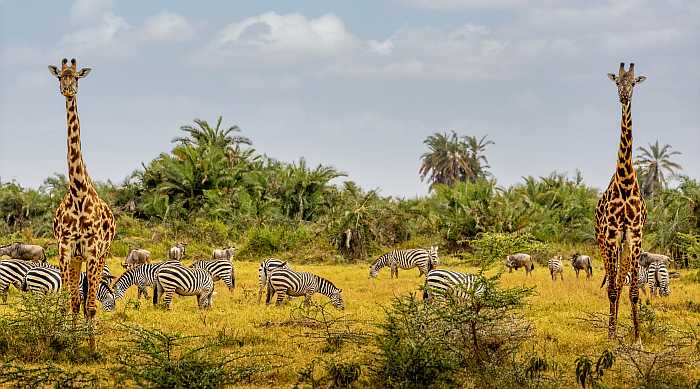
Kosher safari in South Africa.
Safari animals (Photo: Envato)

An African safari is a bucket-list trip for many travelers, and it is easy to understand why. Early-morning game drives, wide-open landscapes and the chance to see elephants, lions, giraffes and other wildlife in their natural habitat make every day feel different. With experienced kosher tour operators handling the food and itinerary, planning this type of trip has become much easier for kosher travelers. 
 
Today, kosher safaris in Africa range from luxury private journeys to scheduled group tours. Trips may focus on the game reserves of South Africa, the Great Migration in Kenya and Tanzania or the rivers and national parks of Botswana and Zimbabwe. Many itineraries also include Cape Town, Victoria Falls or other major attractions, turning the safari into a more complete African vacation.
 

What Is a Kosher Safari?

 
A kosher safari combines the classic African safari experience with meals and arrangements suited to kosher travelers. Days are generally built around morning and afternoon game drives, with time to relax at the lodge in between. Depending on the destination, the itinerary may also include guided bush walks, boat safaris, scenic flights or visits to nearby cities and natural attractions.
 
The kosher arrangements vary from one tour to another. Some operators travel with a private kosher chef, while others kasher a designated lodge kitchen or bring prepared meals and kosher ingredients to remote camps. Supervision and food standards also differ, so it is important to confirm the details directly with the operator before booking.
 
Travelers can choose from scheduled group departures or a private, customized safari. Group tours offer a social atmosphere and a set itinerary, while private trips give couples, families and multi-generational groups more control over the pace, accommodations and activities. Some programs also make arrangements for Shabbat, including meals, manual room access and a schedule that works around Shabbat observance. 
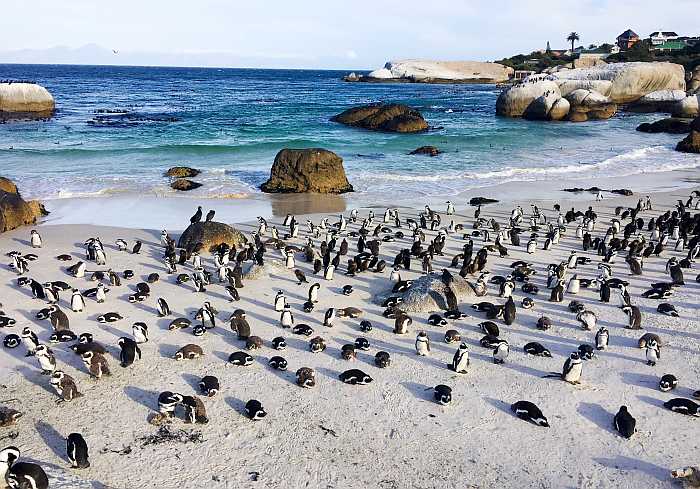
Penguin colony in South Africa.
Penguin colony (Photo: Envato)


Top Destinations for a Kosher Safari in Africa

 
Africa offers a wide range of safari destinations, from South Africa’s private game reserves to the open plains of East Africa and the river safaris of Botswana. Each region offers a different combination of wildlife, landscapes and activities. 
 

South Africa Safaris

 
South Africa is one of the easiest places to begin planning a kosher safari. It offers a wide choice of national parks, private game reserves and luxury lodges, along with established Jewish communities and kosher food in Cape Town and Johannesburg.
 
Kruger National Park is the country’s best-known safari destination and is home to the Big Five: lions, leopards, elephants, rhinos and buffalo. Visitors can explore the park on guided game drives, stay in private reserves bordering Kruger or combine several lodges for a longer safari. The neighboring Sabi Sands is known for luxury accommodations and excellent wildlife viewing, especially for leopards. SANParks describes Kruger as a nearly two-million-hectare park with an especially wide variety of wildlife.
 
Pilanesberg is another popular option, especially for families and travelers looking for a malaria-free safari area. Addo Elephant National Park, located in the Eastern Cape, is known for its large elephant population and can be added to an itinerary along the Garden Route.
 
Many South African safari trips also include a few days in Cape Town. Table Mountain, the Cape Peninsula, Boulders Beach and the city’s Jewish sites add a completely different side to the trip. Cape Town is not a safari destination itself, but it works well before or after time in the bush.
 

Kenya and Tanzania Safaris

 
Kenya and Tanzania offer the classic East African safari landscape, with open grasslands, large herds and dramatic wildlife viewing. The two countries are home to the connected Maasai Mara and Serengeti ecosystems, making them popular choices for travelers hoping to follow the Great Migration.
 
In Kenya, the Maasai Mara is known for its large populations of lions, elephants, giraffes and other wildlife. The Great Migration moves throughout the year, but the herds generally reach the Maasai Mara between July and October. Exact timing depends on rainfall, and river crossings can never be guaranteed. Kenya’s official tourism site describes the Great Migration as a continuous movement between the Serengeti and Maasai Mara in search of water and fresh grazing.
 
Tanzania’s northern safari circuit commonly includes the Serengeti, Ngorongoro Crater and Tarangire National Park. The Serengeti is famous for its wide plains and seasonal movement of wildebeest and zebra. Ngorongoro offers dense wildlife viewing within a striking crater landscape, while Tarangire is particularly well known for elephants and baobab trees. These destinations can be combined in one itinerary, usually beginning near Arusha. The Tanzania Tourism Board identifies Serengeti, Ngorongoro and Tarangire as highlights of the country’s safari circuit.
 
Kosher travel in East Africa generally requires more advance planning than in South Africa. Most safari camps are far from established Jewish communities or kosher food suppliers, so travelers usually join an organized kosher tour or arrange a private chef and food logistics through a specialist operator.
 

Botswana, Zimbabwe and Victoria Falls

 
Botswana and Zimbabwe are often combined in one itinerary, giving travelers a mix of land-based game drives, river safaris and major natural attractions.
 
Chobe National Park in Botswana is famous for its elephants and its location along the Chobe River. Visitors can explore by 4x4 and by boat, offering two very different ways to watch wildlife. Boat safaris are especially good for seeing elephants, hippos, crocodiles and birds around the river. The Botswana Tourism Organisation highlights the Chobe River as a central part of the park’s landscape and safari experience.
 
Victoria Falls, located on the border between Zimbabwe and Zambia, is a natural addition to a Chobe safari. The two destinations are close enough to combine without spending days in transit. Many tours include time to view the falls from the Zimbabwean side, along with a sunset cruise or other activities along the Zambezi River.
 
Longer itineraries may continue to Hwange National Park in Zimbabwe, the Okavango Delta in Botswana or Kruger and Cape Town in South Africa. This works well for travelers who want to see more than one country and experience different landscapes, but it also means additional flights or border crossings. A well-planned kosher tour is especially helpful on these multi-country routes, as meals and supplies need to move with the group. 
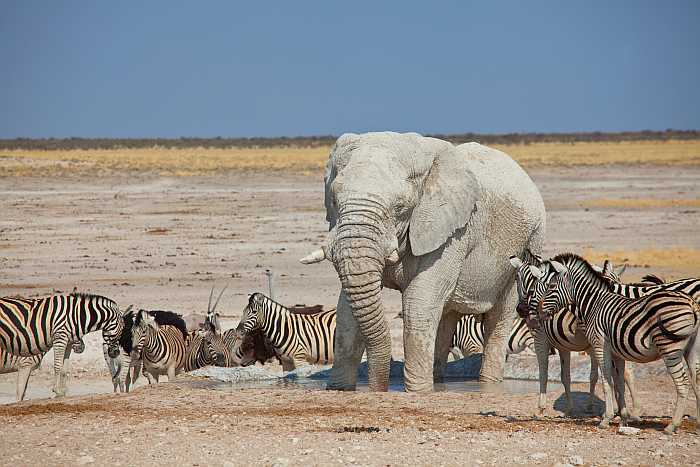
South Africa safari animals.
South Africa safari animals (Photo: Envato)

Jewish Life in Cape Town and Johannesburg

 
Many South African safari itineraries begin or end in Cape Town or Johannesburg, giving travelers time to explore the country’s Jewish communities. Both cities have synagogues, minyanim, kosher restaurants and food shopping, making them convenient stops before or after time at a safari lodge.
 
Cape Town is home to the South African Jewish Museum, the Cape Town Holocaust Centre and the historic Gardens Shul. Johannesburg also has an active Jewish community, along with the Johannesburg Holocaust & Genocide Centre and a wide range of kosher dining and shopping options.
 
Use TJT’s guides to Kosher and Jewish Life in Cape Town and Kosher and Jewish Life in Johannesburg to find current information on kosher food, synagogues and local Jewish services. 

Best Time to Go on an African Safari

 
There is no single best time for an African safari. Wildlife viewing, weather and prices change throughout the year, and the ideal season depends on the countries included in your itinerary.
 
For South Africa, Botswana and Zimbabwe, the dry season generally runs from May through October. With less vegetation and fewer water sources, animals are often easier to spot around rivers and waterholes. This is a popular time to visit Kruger National Park, Chobe National Park and Hwange National Park. Days can be warm and sunny, but early-morning and evening game drives may be surprisingly cold. South African Tourism recommends the dry winter months for easier wildlife viewing around Kruger.
 
In Kenya, July through October is the most popular period for travelers hoping to see the Great Migration in the Maasai Mara. The migration is a year-round cycle that moves between Tanzania and Kenya, so the location of the herds changes from month to month. Rainfall determines their movement, and no tour can guarantee a river crossing or a particular wildlife sighting. Magical Kenya identifies July through October as the main migration period in the Maasai Mara.
 
The wetter months, sometimes called the green season, can also be a rewarding time for a safari. The landscapes are greener, there are often newborn animals and birdwatching can be excellent. Rates may also be lower and popular reserves less crowded. Rain can affect road conditions and wildlife may be harder to spot in thicker vegetation, but the experience can still be excellent.
 
School vacations, Jewish holidays and scheduled kosher safari departures may ultimately determine the timing of your trip. Once you have chosen a region, check the local seasons and available kosher programs before settling on your dates. 
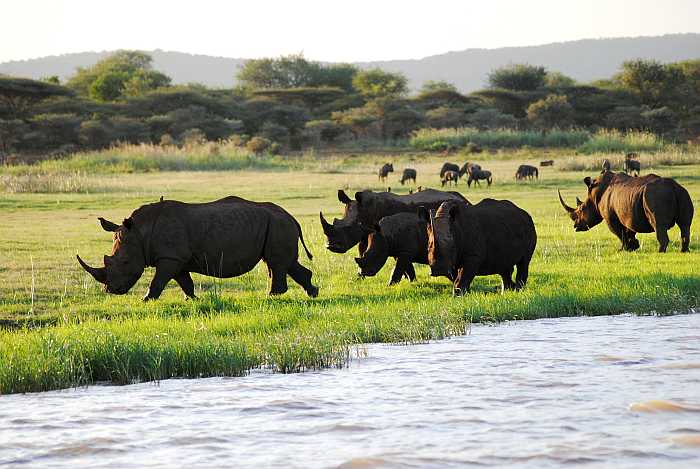
Rhinos in South Africa safari.
Rhinos in South Africa (Photo: Envato)

Kosher Safari Tours and Operators

 
Kosher safari options range from scheduled group departures to private, custom-designed trips. Some focus entirely on wildlife, while others combine game reserves with Cape Town, Victoria Falls and other highlights. Explore the current listings in TJT’s Kosher Safaris guide or learn more about these featured tours and operators.
 
  • Feel Holiday Kenya Great Migration Safari – A scheduled kosher group safari in Kenya with game drives in the Maasai Mara and the chance to see the Great Migration.
  • Gaya Tours – Private and small-group luxury safaris across Africa. Itineraries may include game drives, Victoria Falls, Cape Town, hot-air balloon rides and other activities, with kosher meals arranged throughout the trip.
  • MORE Family Collection – Luxury South African safari lodges offering kosher dining and Shabbat arrangements. Options include family-friendly game drives, bush walks and water safaris.
  • Emerald Tours – Private luxury tours of Southern Africa with a Jewish game ranger and private glatt kosher chefs. Itineraries can include Kruger National Park, Cape Town, Victoria Falls and the Chobe River.
  • Bespoke Kosher Tours – Customized private safaris planned around each traveler’s preferred destinations, pace, accommodations and kosher requirements.
  • Aussie Pesach Luxury Passover Program in South Africa – A seasonal Pesach program combining the holiday with a South African safari experience, kosher meals and organized activities. 
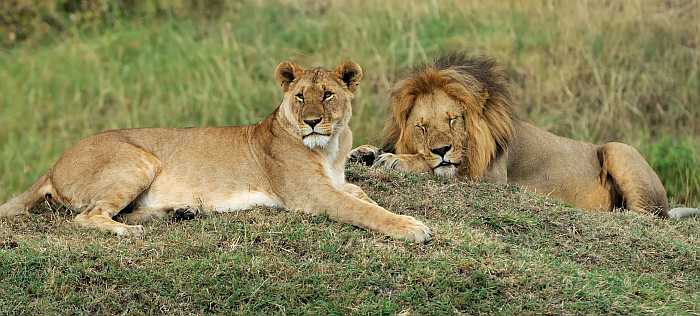
African lions on kosher safari in South Africa.
African lions (Photo: Envato)

What to Know Before Booking a Kosher Safari

 
A kosher safari requires more advance planning than a typical vacation. Many lodges are in remote locations, and arrangements for food, Shabbat and transportation need to be confirmed before you travel.
 
Before booking, ask the operator about:
 
  • Kosher supervision: Confirm the certification, meat standards and any requirements such as chalav Yisrael or pas Yisrael.
  • Shabbat arrangements: Ask about meals, minyanim, manual room keys, electronic doors and the distance between rooms and dining areas.
  • What is included: Check if the price covers internal flights, park fees, game drives, tips, airport transfers and optional activities.
  • Luggage restrictions: Small safari aircraft often have strict weight limits and may require soft-sided bags.
  • Health considerations: Malaria risk varies by destination and season. Speak with a medical professional about vaccinations, medication and other precautions.
  • Children’s policies: Some lodges and activities have minimum age requirements, so families should check before booking.
  • Travel insurance: Choose coverage that includes cancellations, medical treatment and emergency evacuation.
  • Entry requirements: Visa, passport and vaccination rules depend on your nationality and itinerary, especially on multi-country trips.
  • Physical demands: Ask about walking, climbing into safari vehicles and the length of drives if anyone in your group has limited mobility.
  • Wildlife expectations: Animal sightings and migration movements cannot be guaranteed, even during peak season.

Conclusion
 
A kosher safari makes it possible to explore Africa’s wildlife and landscapes with the food and arrangements taken care of in advance. With destinations ranging from Kruger and the Maasai Mara to Chobe and Victoria Falls, there are options for private trips, families and organized groups. Explore the latest tours and start planning through TJT’s Kosher Safaris guide.
Kosher safari in South Africa.
Safari animals (Photo: Envato)

An African safari is a bucket-list trip for many travelers, and it is easy to understand why. Early-morning game drives, wide-open landscapes and the chance to see elephants, lions, giraffes and other wildlife in their natural habitat make every day feel different. With experienced kosher tour operators handling the food and itinerary, planning this type of trip has become much easier for kosher travelers. 
 
Today, kosher safaris in Africa range from luxury private journeys to scheduled group tours. Trips may focus on the game reserves of South Africa, the Great Migration in Kenya and Tanzania or the rivers and national parks of Botswana and Zimbabwe. Many itineraries also include Cape Town, Victoria Falls or other major attractions, turning the safari into a more complete African vacation.
 

What Is a Kosher Safari?

 
A kosher safari combines the classic African safari experience with meals and arrangements suited to kosher travelers. Days are generally built around morning and afternoon game drives, with time to relax at the lodge in between. Depending on the destination, the itinerary may also include guided bush walks, boat safaris, scenic flights or visits to nearby cities and natural attractions.
 
The kosher arrangements vary from one tour to another. Some operators travel with a private kosher chef, while others kasher a designated lodge kitchen or bring prepared meals and kosher ingredients to remote camps. Supervision and food standards also differ, so it is important to confirm the details directly with the operator before booking.
 
Travelers can choose from scheduled group departures or a private, customized safari. Group tours offer a social atmosphere and a set itinerary, while private trips give couples, families and multi-generational groups more control over the pace, accommodations and activities. Some programs also make arrangements for Shabbat, including meals, manual room access and a schedule that works around Shabbat observance. 

Penguin colony in South Africa.
Penguin colony (Photo: Envato)


Top Destinations for a Kosher Safari in Africa

 
Africa offers a wide range of safari destinations, from South Africa’s private game reserves to the open plains of East Africa and the river safaris of Botswana. Each region offers a different combination of wildlife, landscapes and activities. 
 

South Africa Safaris

 
South Africa is one of the easiest places to begin planning a kosher safari. It offers a wide choice of national parks, private game reserves and luxury lodges, along with established Jewish communities and kosher food in Cape Town and Johannesburg.
 
Kruger National Park is the country’s best-known safari destination and is home to the Big Five: lions, leopards, elephants, rhinos and buffalo. Visitors can explore the park on guided game drives, stay in private reserves bordering Kruger or combine several lodges for a longer safari. The neighboring Sabi Sands is known for luxury accommodations and excellent wildlife viewing, especially for leopards. SANParks describes Kruger as a nearly two-million-hectare park with an especially wide variety of wildlife.
 
Pilanesberg is another popular option, especially for families and travelers looking for a malaria-free safari area. Addo Elephant National Park, located in the Eastern Cape, is known for its large elephant population and can be added to an itinerary along the Garden Route.
 
Many South African safari trips also include a few days in Cape Town. Table Mountain, the Cape Peninsula, Boulders Beach and the city’s Jewish sites add a completely different side to the trip. Cape Town is not a safari destination itself, but it works well before or after time in the bush.
 

Kenya and Tanzania Safaris

 
Kenya and Tanzania offer the classic East African safari landscape, with open grasslands, large herds and dramatic wildlife viewing. The two countries are home to the connected Maasai Mara and Serengeti ecosystems, making them popular choices for travelers hoping to follow the Great Migration.
 
In Kenya, the Maasai Mara is known for its large populations of lions, elephants, giraffes and other wildlife. The Great Migration moves throughout the year, but the herds generally reach the Maasai Mara between July and October. Exact timing depends on rainfall, and river crossings can never be guaranteed. Kenya’s official tourism site describes the Great Migration as a continuous movement between the Serengeti and Maasai Mara in search of water and fresh grazing.
 
Tanzania’s northern safari circuit commonly includes the Serengeti, Ngorongoro Crater and Tarangire National Park. The Serengeti is famous for its wide plains and seasonal movement of wildebeest and zebra. Ngorongoro offers dense wildlife viewing within a striking crater landscape, while Tarangire is particularly well known for elephants and baobab trees. These destinations can be combined in one itinerary, usually beginning near Arusha. The Tanzania Tourism Board identifies Serengeti, Ngorongoro and Tarangire as highlights of the country’s safari circuit.
 
Kosher travel in East Africa generally requires more advance planning than in South Africa. Most safari camps are far from established Jewish communities or kosher food suppliers, so travelers usually join an organized kosher tour or arrange a private chef and food logistics through a specialist operator.
 

Botswana, Zimbabwe and Victoria Falls

 
Botswana and Zimbabwe are often combined in one itinerary, giving travelers a mix of land-based game drives, river safaris and major natural attractions.
 
Chobe National Park in Botswana is famous for its elephants and its location along the Chobe River. Visitors can explore by 4x4 and by boat, offering two very different ways to watch wildlife. Boat safaris are especially good for seeing elephants, hippos, crocodiles and birds around the river. The Botswana Tourism Organisation highlights the Chobe River as a central part of the park’s landscape and safari experience.
 
Victoria Falls, located on the border between Zimbabwe and Zambia, is a natural addition to a Chobe safari. The two destinations are close enough to combine without spending days in transit. Many tours include time to view the falls from the Zimbabwean side, along with a sunset cruise or other activities along the Zambezi River.
 
Longer itineraries may continue to Hwange National Park in Zimbabwe, the Okavango Delta in Botswana or Kruger and Cape Town in South Africa. This works well for travelers who want to see more than one country and experience different landscapes, but it also means additional flights or border crossings. A well-planned kosher tour is especially helpful on these multi-country routes, as meals and supplies need to move with the group. 

South Africa safari animals.
South Africa safari animals (Photo: Envato)

Jewish Life in Cape Town and Johannesburg

 
Many South African safari itineraries begin or end in Cape Town or Johannesburg, giving travelers time to explore the country’s Jewish communities. Both cities have synagogues, minyanim, kosher restaurants and food shopping, making them convenient stops before or after time at a safari lodge.
 
Cape Town is home to the South African Jewish Museum, the Cape Town Holocaust Centre and the historic Gardens Shul. Johannesburg also has an active Jewish community, along with the Johannesburg Holocaust & Genocide Centre and a wide range of kosher dining and shopping options.
 
Use TJT’s guides to Kosher and Jewish Life in Cape Town and Kosher and Jewish Life in Johannesburg to find current information on kosher food, synagogues and local Jewish services. 

Best Time to Go on an African Safari

 
There is no single best time for an African safari. Wildlife viewing, weather and prices change throughout the year, and the ideal season depends on the countries included in your itinerary.
 
For South Africa, Botswana and Zimbabwe, the dry season generally runs from May through October. With less vegetation and fewer water sources, animals are often easier to spot around rivers and waterholes. This is a popular time to visit Kruger National Park, Chobe National Park and Hwange National Park. Days can be warm and sunny, but early-morning and evening game drives may be surprisingly cold. South African Tourism recommends the dry winter months for easier wildlife viewing around Kruger.
 
In Kenya, July through October is the most popular period for travelers hoping to see the Great Migration in the Maasai Mara. The migration is a year-round cycle that moves between Tanzania and Kenya, so the location of the herds changes from month to month. Rainfall determines their movement, and no tour can guarantee a river crossing or a particular wildlife sighting. Magical Kenya identifies July through October as the main migration period in the Maasai Mara.
 
The wetter months, sometimes called the green season, can also be a rewarding time for a safari. The landscapes are greener, there are often newborn animals and birdwatching can be excellent. Rates may also be lower and popular reserves less crowded. Rain can affect road conditions and wildlife may be harder to spot in thicker vegetation, but the experience can still be excellent.
 
School vacations, Jewish holidays and scheduled kosher safari departures may ultimately determine the timing of your trip. Once you have chosen a region, check the local seasons and available kosher programs before settling on your dates. 

Rhinos in South Africa safari.
Rhinos in South Africa (Photo: Envato)

Kosher Safari Tours and Operators

 
Kosher safari options range from scheduled group departures to private, custom-designed trips. Some focus entirely on wildlife, while others combine game reserves with Cape Town, Victoria Falls and other highlights. Explore the current listings in TJT’s Kosher Safaris guide or learn more about these featured tours and operators.
 
  • Feel Holiday Kenya Great Migration Safari – A scheduled kosher group safari in Kenya with game drives in the Maasai Mara and the chance to see the Great Migration.
  • Gaya Tours – Private and small-group luxury safaris across Africa. Itineraries may include game drives, Victoria Falls, Cape Town, hot-air balloon rides and other activities, with kosher meals arranged throughout the trip.
  • MORE Family Collection – Luxury South African safari lodges offering kosher dining and Shabbat arrangements. Options include family-friendly game drives, bush walks and water safaris.
  • Emerald Tours – Private luxury tours of Southern Africa with a Jewish game ranger and private glatt kosher chefs. Itineraries can include Kruger National Park, Cape Town, Victoria Falls and the Chobe River.
  • Bespoke Kosher Tours – Customized private safaris planned around each traveler’s preferred destinations, pace, accommodations and kosher requirements.
  • Aussie Pesach Luxury Passover Program in South Africa – A seasonal Pesach program combining the holiday with a South African safari experience, kosher meals and organized activities. 

African lions on kosher safari in South Africa.
African lions (Photo: Envato)

What to Know Before Booking a Kosher Safari

 
A kosher safari requires more advance planning than a typical vacation. Many lodges are in remote locations, and arrangements for food, Shabbat and transportation need to be confirmed before you travel.
 
Before booking, ask the operator about:
 
  • Kosher supervision: Confirm the certification, meat standards and any requirements such as chalav Yisrael or pas Yisrael.
  • Shabbat arrangements: Ask about meals, minyanim, manual room keys, electronic doors and the distance between rooms and dining areas.
  • What is included: Check if the price covers internal flights, park fees, game drives, tips, airport transfers and optional activities.
  • Luggage restrictions: Small safari aircraft often have strict weight limits and may require soft-sided bags.
  • Health considerations: Malaria risk varies by destination and season. Speak with a medical professional about vaccinations, medication and other precautions.
  • Children’s policies: Some lodges and activities have minimum age requirements, so families should check before booking.
  • Travel insurance: Choose coverage that includes cancellations, medical treatment and emergency evacuation.
  • Entry requirements: Visa, passport and vaccination rules depend on your nationality and itinerary, especially on multi-country trips.
  • Physical demands: Ask about walking, climbing into safari vehicles and the length of drives if anyone in your group has limited mobility.
  • Wildlife expectations: Animal sightings and migration movements cannot be guaranteed, even during peak season.

Conclusion
 
A kosher safari makes it possible to explore Africa’s wildlife and landscapes with the food and arrangements taken care of in advance. With destinations ranging from Kruger and the Maasai Mara to Chobe and Victoria Falls, there are options for private trips, families and organized groups. Explore the latest tours and start planning through TJT’s Kosher Safaris guide.
  • Request

+  {{model.texts.fullContactDetails}}

{{model.texts.haveComment}}
{{model.texts.contactUs}}

Email: contact@totallyjewishtravel.com
TotallyJewishTravel
The web's leading meeting point for Jewish & Kosher Travel and Leisure
  • About Us
  • Contact Us
  • Passover Programs FAQ
  • Advertise
  • Advertising Terms
  • Passover Programs
  • Privacy Policy
  • Terms of Use
  • TJT Kosher Travel FAQ

Lets Be Social

  • Totally Jewish Travel on Facebook
  • Totally Jewish Travel on Twitter
  • Totally Jewish Travel on Instagram
We use cookies to offer an improved online experience. By clicking accept or by continuing to browse, you consent to our use of cookies. To learn more, please refer to our Privacy Policy. Accept