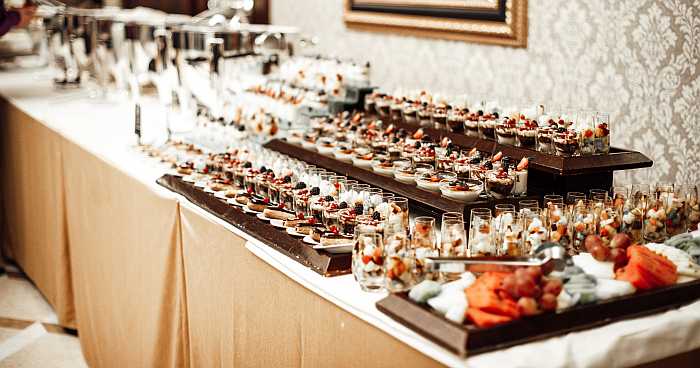
Passover program dessert buffet (Photo: Envato)
Passover is a holiday filled with food traditions, from matzah and the symbolic foods on the Seder plate to family recipes passed down through generations. But Pesach also comes with special dietary restrictions, and not every Jewish family follows exactly the same customs.
The most important restriction is the prohibition against eating chametz during Passover. Chametz refers to foods made from wheat, barley, rye, oats or spelt that have undergone a prohibited leavening process. For eight days outside Israel and seven days in Israel, traditional breads, pasta and many other everyday foods are replaced with kosher-for-Passover alternatives.
Beyond chametz, there are different minhagim, or customs, surrounding foods such as kitniyot and gebrochts. These differences can affect everything from preparing a holiday meal for guests to choosing a Passover program.
Understanding these traditions makes it easier to plan Pesach meals, accommodate guests and find a program that follows your family's customs. For more on how traditions vary between communities, read our guide to Passover customs around the world.
What’s the deal with kitniyot?
Kitniyot is a Hebrew term that includes legumes such as beans, peas and lentils. For Passover purposes, the category also includes foods such as rice, corn, soy and certain seeds. The exact foods considered kitniyot can vary according to community custom and rabbinic guidance.
The Ashkenazi custom of avoiding kitniyot during Pesach developed in medieval Europe. Among the reasons traditionally given are concerns about grains becoming mixed together during storage or processing, and similarities between certain kitniyot products and chametz.
Many Sephardic communities permit kitniyot on Passover, although customs vary. Some Sephardic families eat rice but avoid other foods, while others have additional restrictions. It's important not to assume that all Sephardic Jews follow the same practices.
In Israel, kosher-for-Passover products may be labeled kitniyot or without kitniyot, so checking the packaging and kosher certification is important. The same applies when eating at restaurants or staying at hotels during Pesach.
Another consideration is foods made from kitniyot derivatives, such as certain oils or processed ingredients. Customs and kosher certifications vary, so a product that one family considers acceptable for Pesach may not meet another family's standards.
Another consideration is foods made from kitniyot derivatives, such as certain oils or processed ingredients. Customs and kosher certifications vary, so a product that one family considers acceptable for Pesach may not meet another family's standards.
Most Passover programs do not serve kitniyot, but there are exceptions, particularly programs catering to Sephardic guests. If avoiding kitniyot is important to your family, check the program's food policies and kashrut supervision before booking.
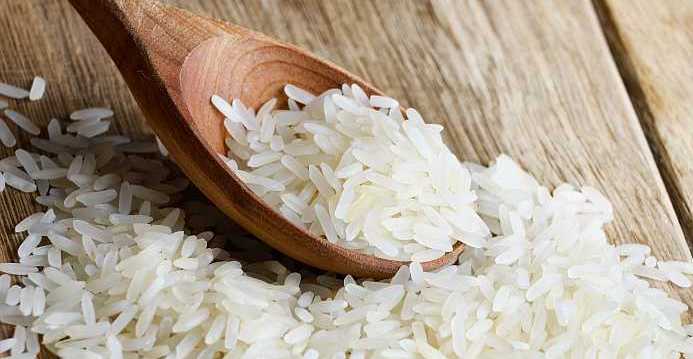
Rice is considered kitniyot - some have custom not to eat rice on Pesach. (Photo: Envato)
Gebrochts or non-gebrochts: it’s all about the matzah balls in your soup
Gebrochts is a Yiddish word meaning "broken" and refers to matzah or matzah products that have come into contact with liquid. It's also known by the Hebrew term matzah shruya, meaning soaked matzah.
Some Ashkenazi families follow the custom of avoiding gebrochts during Pesach. The practice is particularly common in Hasidic communities, but it is not limited to them. The concern is that small amounts of flour that weren't fully baked into the matzah could come into contact with liquid and become chametz.
For those who follow this custom, that means no matzah balls made with matzah meal in their chicken soup! They avoid cooking or baking with matzah meal and often use potato starch and other kosher-for-Passover ingredients instead. They still eat matzah, but avoid soaking it or mixing it with liquids.
In some communities, including Chabad, the custom is to eat gebrochts on the eighth day of Passover, while others continue to avoid it throughout the holiday.
When choosing a Passover program, check whether the kitchen is strictly non-gebrochts or serves gebrochts. This is especially important for families who follow the custom of avoiding it.
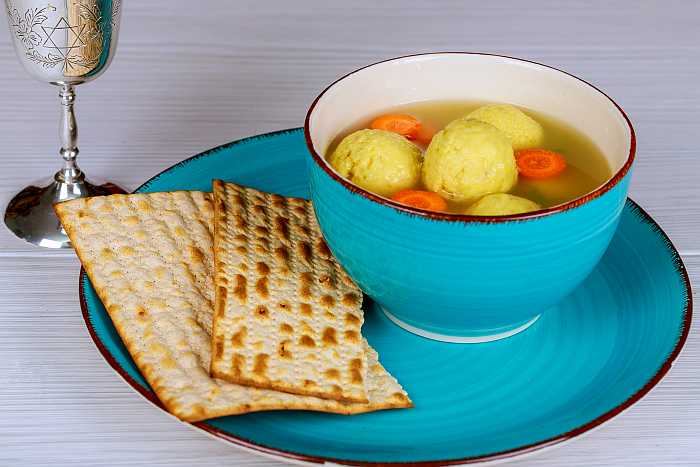
Matzah ball soup (Photo: Envato)
What's on the Menu at Passover Programs?
For many guests, the food is one of the highlights of a Passover program. After weeks of cleaning, shopping and preparing for Pesach, there's something especially appealing about sitting down to a holiday meal that someone else has cooked.
Food is a major part of the experience, but what guests can expect varies from program to program. Some luxury resorts feature elaborate buffets, gourmet menus and extensive tea rooms stocked with snacks, desserts and refreshments throughout the day. Other programs offer simpler menus and more traditional holiday meals.
Many programs hire experienced chefs who find creative ways to prepare dishes using kosher-for-Passover ingredients. From freshly baked Pesach desserts to beautifully presented holiday meals, the food can be surprisingly varied, even without chametz.
For guests who take their food seriously, it's worth looking beyond the hotel and location when comparing programs. Check the menus, the dining arrangements and what's included between meals. Some programs also provide packed lunches for excursions or additional dining options, but these aren't standard everywhere.
Of course, having so much food available throughout the holiday can make it tempting to overindulge. Our guide to eating well at Passover programs has some practical tips for enjoying the food without going overboard.
Conclusion
Passover food traditions vary from family to family, and those differences can shape everything from what's served at the Seder to which Pesach program feels right for you.
Some families avoid kitniyot, others follow a non-gebrochts custom, and everyone has their favorite holiday recipes. Whatever your family's traditions, it's worth checking the kashrut standards and dining arrangements before booking.
Explore Passover programs around the world on Totally Jewish Travel to find a Pesach vacation that suits your family's traditions and tastes.