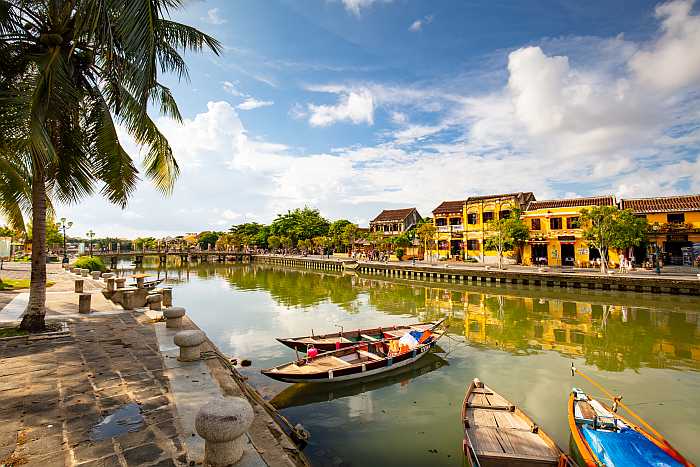
Hoi An (Photo: Envato)
Vietnam is one of those destinations that feels completely different from anywhere else. From the energy of its cities to quiet countryside, ancient temples to modern skylines, and miles of coastline, it’s a country full of contrast. It’s also become increasingly popular with travelers looking for something a bit more adventurous, and for kosher travelers, it’s now much more doable than it once was.
The weather varies depending on where you go. Hanoi in the north has cooler winters and hot summers, while central Vietnam, including Hoi An, tends to stay sunny for much of the year. Down south in Ho Chi Minh City, it’s warm and humid year-round. This gives you flexibility when planning your trip, depending on the kind of weather you prefer.
When it comes to kosher food and Jewish life, everything centers around Chabad. For years, the main locations were Chabad of Vietnam centers in Hanoi, Hoi An, and Ho Chi Minh City, offering Shabbat meals, minyanim, and a welcoming place for travelers. Ho Chi Minh City also has a mikvah, which is a unique feature in Southeast Asia.
More recently, a fourth location opened in Sapa, in northern Vietnam. This is a big addition for travelers exploring that region, making it much easier to include Sapa, known for its mountain scenery and trekking, as part of a kosher-friendly itinerary.
Chabad’s presence in Vietnam began in 2006, when Rabbi Menachem and Racheli Hartman moved from Jerusalem to Ho Chi Minh City to build a Jewish center from the ground up. Since then, the network has grown steadily, supporting both locals and the steady flow of Jewish travelers passing through the country.
Today, while kosher food options are still largely centered around Chabad, the infrastructure is strong enough that with a bit of planning, Vietnam can absolutely work as a kosher destination.
The weather varies depending on where you go. Hanoi in the north has cooler winters and hot summers, while central Vietnam, including Hoi An, tends to stay sunny for much of the year. Down south in Ho Chi Minh City, it’s warm and humid year-round. This gives you flexibility when planning your trip, depending on the kind of weather you prefer.
When it comes to kosher food and Jewish life, everything centers around Chabad. For years, the main locations were Chabad of Vietnam centers in Hanoi, Hoi An, and Ho Chi Minh City, offering Shabbat meals, minyanim, and a welcoming place for travelers. Ho Chi Minh City also has a mikvah, which is a unique feature in Southeast Asia.
More recently, a fourth location opened in Sapa, in northern Vietnam. This is a big addition for travelers exploring that region, making it much easier to include Sapa, known for its mountain scenery and trekking, as part of a kosher-friendly itinerary.
Chabad’s presence in Vietnam began in 2006, when Rabbi Menachem and Racheli Hartman moved from Jerusalem to Ho Chi Minh City to build a Jewish center from the ground up. Since then, the network has grown steadily, supporting both locals and the steady flow of Jewish travelers passing through the country.
Today, while kosher food options are still largely centered around Chabad, the infrastructure is strong enough that with a bit of planning, Vietnam can absolutely work as a kosher destination.
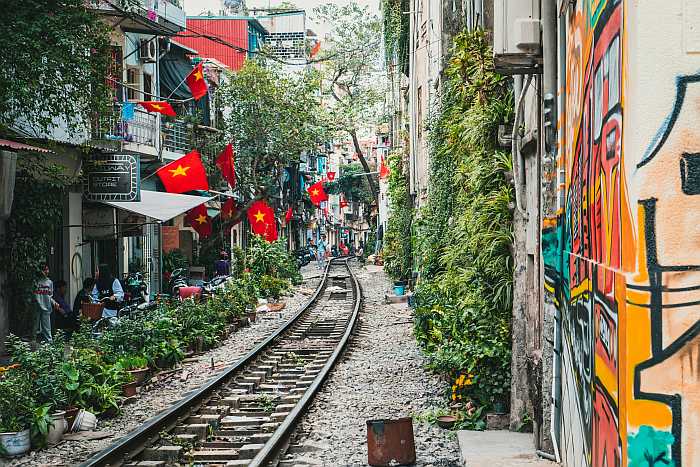
Train Street in Hanoi (Photo by Silver Ringvee on Unsplash)
Hanoi: The Heart of the North
Our journey begins in Hanoi, Vietnam’s capital, where old-world charm meets the energy of a fast-growing city. The mix of colonial architecture, bustling streets, and quiet lakes gives Hanoi a unique character that feels both historic and alive.
Kosher Info: Chabad of Hanoi offers Shabbat meals (with advance registration), a kosher restaurant, and delivery options to different parts of the city. While the Chabad house is not located in the main tourist area, there are hotels nearby, making it manageable to plan your stay.
Top Attractions in Hanoi
- Old Quarter: The historic heart of the city, filled with narrow streets, local markets, and colonial buildings.
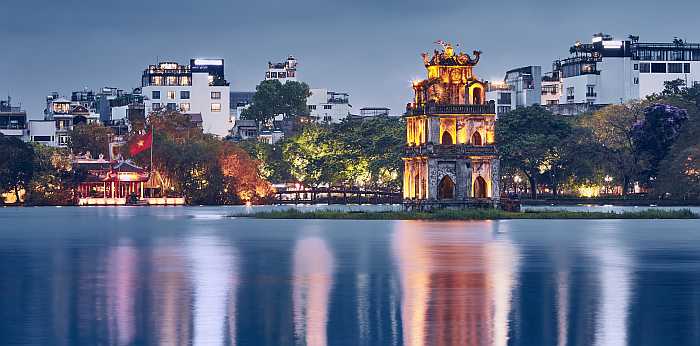
- Hoan Kiem Lake: A peaceful lake in the center of Hanoi, known for its scenic walking paths and the iconic Turtle Tower.
- Temple of Literature: Vietnam’s first national university, dating back to 1070, showcasing traditional architecture and the country’s deep respect for education.
- Ho Chi Minh Mausoleum: The resting place of Vietnam’s revolutionary leader.
- Hanoi Opera House: A striking example of French colonial architecture.
- Thang Long Water Puppet Theater: A traditional art form unique to northern Vietnam.
- Train Street: A narrow street where trains pass just steps from local homes and cafes.
- West Lake: The largest lake in Hanoi, popular for walking and cycling.
- Hoa Lo Prison Relic: A historical site reflecting Vietnam’s colonial and wartime history.
Sapa: Northern Vietnam’s Mountain Escape
From Hanoi, many travelers head further north to Sapa, a region known for its dramatic mountain landscapes, terraced rice fields, and cooler climate. It’s a completely different side of Vietnam, quieter, scenic, and ideal for trekking and exploring local hill tribe villages.
Kosher Info: Chabad of Sapa is a recent addition and a major development for kosher travelers in Vietnam. It offers Shabbat meals (with advance registration), minyan, and kosher food during the week, making it much easier to include Sapa as part of a kosher-friendly itinerary.
Top Attractions in Sapa
- Rice Terraces: Iconic layered fields carved into the mountains, especially beautiful during planting and harvest seasons.
- Fansipan Mountain: The highest peak in Vietnam, accessible by cable car or hiking for more adventurous travelers.
- Cat Cat Village: A nearby village offering a glimpse into the culture and daily life of the Hmong people.
- Muong Hoa Valley: Known for its scenic trekking routes and sweeping views of the countryside.
- Sapa Town: A central base with markets and access to the surrounding countryside.
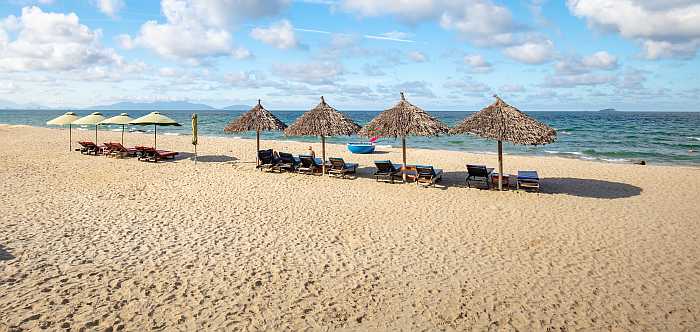
An Bang Beach in Hoi An (Photo: Envato)
Hoi An: A Step Back in Time
Next, we head to Hoi An, a beautifully preserved town on Vietnam’s central coast. Known for its lantern-lit streets and historic architecture, Hoi An feels like stepping into another era. Its past as a trading port is reflected in the blend of Vietnamese, Chinese, Japanese, and French influences.
Kosher Info: Chabad of Hoi An provides Shabbat services, meals (with advance registration), and a kosher restaurant, making it a comfortable stop for kosher travelers.
Top Attractions in Hoi An
- Ancient Town: A UNESCO World Heritage site known for its preserved architecture and charming streets.
- Japanese Covered Bridge: One of Hoi An’s most recognizable landmarks.
- Tan Ky Old House: A historic merchant home offering insight into the town’s past.
- An Bang Beach: A relaxed beach just outside the town center.
- Fujian Assembly Hall: A cultural and architectural highlight.
- Hoi An Night Market: A lively market filled with lanterns, crafts, and local goods.
- Tra Que Vegetable Village: A traditional farming village where visitors can experience local agriculture.
- Lantern Making Workshops: A hands-on way to experience one of Hoi An’s signature crafts.
- Thu Bon River: Perfect for a scenic boat ride or sunset walk.
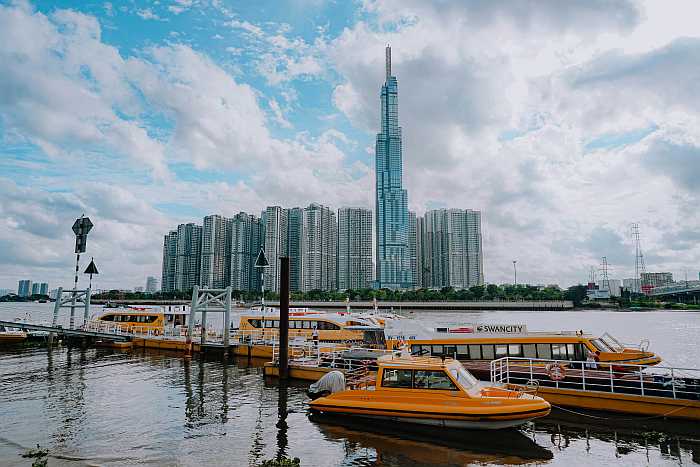
Ho Chi Minh City (Photo by Peter Nguyen on Unsplash)
Ho Chi Minh City: The Southern Star
Our final stop is Ho Chi Minh City, a fast-paced and modern city that offers a completely different feel from the rest of Vietnam. Skyscrapers, markets, and historic landmarks all come together in a city that rarely slows down.
Kosher Info: Chabad of Vietnam in Ho Chi Minh City is the main hub of Jewish life in the country. It offers daily minyanim, Shabbat meals (with advance registration), a kosher restaurant, and a kosher market. The city is also home to the only mikvah in Vietnam.
Top Attractions in Ho Chi Minh City
- War Remnants Museum: A powerful look at the impact of the Vietnam War.
- Cu Chi Tunnels: An underground network used during the war, open for visitors to explore.
- Saigon Central Post Office: A beautifully preserved colonial building still in use today.
- Ben Thanh Market: A central market for souvenirs and local goods.
- Reunification Palace: A historic site marking the end of the Vietnam War.
- Saigon Opera House: A cultural venue for performances and shows.
- Bitexco Financial Tower Sky Deck: Offers panoramic views of the city.
- Nguyen Hue Walking Street: A lively pedestrian area in the city center.
- Binh Tay Market: Located in Chinatown, offering a more local market experience.
Hanoi's Old Quarter (Photo: Envato)
Essential Tips for Your Vietnam Adventure
Planning a trip to Vietnam is exciting, and a little preparation goes a long way. Here are some practical tips to help make your trip smooth and enjoyable:
Planning a trip to Vietnam is exciting, and a little preparation goes a long way. Here are some practical tips to help make your trip smooth and enjoyable:
- Visa Requirements: Check visa requirements for your country in advance, as rules can vary.
- Local Currency: While credit cards are accepted in larger cities, cash (Vietnamese Dong) is still widely used, especially in markets and smaller towns.
- Dress Respectfully: When visiting temples or religious sites, dress modestly, covering shoulders and knees.
- Stay Connected: eSIMs and local SIM cards are easy to find, often right at the airport, and make navigation and communication much easier.
- Getting Around: Vietnam offers a range of transportation options, from taxis to buses. Ride-hailing apps like Grab are widely used and convenient in major cities.
- Traffic Awareness: Traffic can feel chaotic at first, especially with the number of motorbikes. When crossing the street, move steadily and predictably rather than stopping suddenly.
- Water: Stick to bottled water and avoid ice unless you’re sure it’s purified.
- Respect Local Customs: Simple gestures like removing your shoes before entering a home go a long way.
- Travel Insurance: Make sure you’re covered for medical care and unexpected changes.
- Health Prep: Check recommended vaccinations before traveling.
- Responsible Travel: Be mindful of local communities and the environment as you explore.
Embracing the Journey
Traveling through Vietnam, from Hanoi to Sapa, Hoi An, and Ho Chi Minh City, offers a mix of landscapes, cultures, and experiences that feel completely different from one region to the next. For kosher travelers, the growing network of Chabad of Vietnam centers makes it possible to explore the country while still staying connected to kosher food and Jewish life.
With a bit of planning, Vietnam is not only manageable, it’s an incredibly rewarding destination. Between the scenery, the culture, and the welcoming Chabad communities along the way, it’s a trip that stays with you long after you’ve returned home.